
Large jelly-like blobs discovered in Oklahoma’s McGee Creek Reservoir were identified as bryozoan colonies—ancient, harmless aquatic animals that have existed for about 470 million years. Although they look like a single organism, each blob contains thousands of tiny creatures called zooids working together. Bryozoans attach to submerged branches, rocks, and docks, filtering bacteria and algae from the water, which helps improve water quality. They pose no danger to humans and are often considered a sign of a healthy ecosystem. Their unusual appearance may seem mysterious, but these fascinating colonies play an important role in maintaining balanced freshwater environments.

Related Posts

Dog Bitten by Large Snake Near Riverbank
A frightening incident was captured near a riverbank, where a dog was attacked by a large snake. According to footage circulating on social media, the snake…
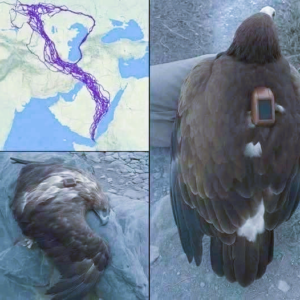
The Remarkable Journey of a Migrating Eagle: Lessons in Nature, Resilience, and Awareness.
For nearly two decades, researchers tracked an eagle whose extraordinary migration revealed the remarkable intelligence of nature. Traveling between northern Russia and the Arabian Peninsula, the eagle…
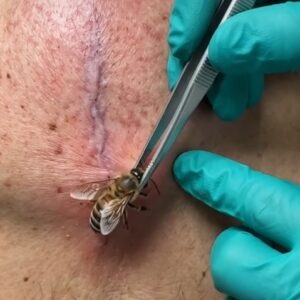
Foods to remove red moles on the skin
Red moles, also known as cherry angiomas, are popular benign skin growths made up of small blood vessels. While they are usually harmless and often appear with…

PictureSevere inflαmed pimples
Dear reader, the video is a little lower. Acne also known as acne vulgaris, is a long-term skin condition that occurs when dead skin cells and oil…

Skin Conditions: Top 10 Most Common
Skin conditions can be big problems, considering that your skin is the largest organ in your body. Explore how to handle various setbacks, from shingles to athlete’s…

THE SHOCKING SKIN EPIDEMIC RUINING MILLIONS OF LIVES RIGHT NOW
Acne affects millions worldwide, causing more than just breakouts. Understanding its causes, triggers, and treatments can help prevent scarring, improve skin health, and restore confidence. Read below for…