Many claim it works like magic for muscle cramps—but is it science or just an old wives’ tale? Let’s explore the facts.
What Causes Muscle Cramps?
To understand whether pickle juice helps, it’s crucial to know what triggers muscle cramps. These involuntary contractions can result from:

•Dehydration: A lack of fluids disrupts the balance of electrolytes, essential for muscle function.
•Electrolyte Imbalance: Low levels of sodium, potassium, magnesium, or calcium can lead to cramping.
•Overuse or Fatigue: Repeated exertion without sufficient rest can overwork muscles.
•Nerve Issues: Problems affecting the nerve-muscle connection can also cause cramps.
Identifying the root cause of your cramps can help you find the right solution—but where does pickle juice fit into all this?
Pickle Juice as a Remedy: Where Did It Start?
Pickle juice gained popularity among athletes, particularly endurance runners and football players, who claimed it provided near-instant relief from cramps. Its appeal lies in its high sodium content and acidic tang. But is sodium the main reason for its effectiveness, or is there more to the story?
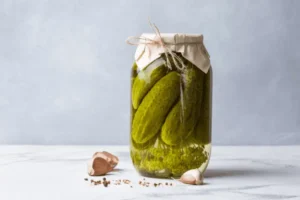
The Science Behind Pickle Juice and Muscle Cramps
Research offers some interesting insights into how pickle juice works:
•Not Just About Electrolytes: While pickle juice is rich in sodium, it works too quickly to replenish electrolytes during a cramp. It doesn’t have time to enter the bloodstream and rebalance electrolytes within seconds.
•Nerve Stimulation: The key may lie in the acetic acid (vinegar) found in pickle juice. Studies, such as one published in Medicine & Science in Sports & Exercise, suggest that vinegar triggers receptors in the mouth and throat, disrupting the nerve signals that cause cramps. Essentially, it short-circuits the cramp at its source.
How to Use Pickle Juice for Cramps
If you’re curious to try it, here’s how:
1.Measure a Small Amount: Just 2–3 ounces of pickle juice is usually enough. You can use the leftover liquid from a pickle jar or buy pickle juice marketed for cramps.
2.Drink Quickly: When a cramp hits, drink it straight for fast relief.
3.Wait for Relief: Most people feel better within 30 seconds to a few minutes.
While pickle juice is generally safe, its high sodium content means it’s best used sparingly, especially if you’re watching your salt intake.
Who Can Benefit from Pickle Juice?
Pickle juice may be particularly helpful for:
•Athletes: It’s a go-to remedy for those prone to cramping during intense workouts.
•Nighttime Cramps: Keep some by your bedside if you often wake up with leg cramps.
•Electrolyte Imbalance: If low sodium is a recurring issue, pickle juice might offer temporary relief.
However, it’s not a one-size-fits-all solution. Chronic cramps may require deeper investigation into underlying causes.
Other Remedies for Muscle Cramps
Pickle juice isn’t your only option. Here are a few other tried-and-true remedies:
•Stay Hydrated: Drink plenty of water before, during, and after physical activity.
•Electrolyte Drinks: Sports drinks can help replenish sodium, potassium, and magnesium.
•Stretching: Gently stretch the affected muscle to ease tension.
•Magnesium Supplements: Useful for cramps caused by magnesium deficiency.
•Bananas: Rich in potassium, they’re a natural option to support muscle health.
Potential Downsides of Pickle Juice
While generally safe, pickle juice has some risks:
•High Sodium: It’s not suitable for those on low-sodium diets or with high blood pressure.
•Acidic Nature: It may aggravate acid reflux or irritate sensitive stomachs.
•Tooth Enamel Damage: Regular consumption of acidic liquids can erode enamel.
Conclusion: Myth or Medicine?
So, does pickle juice really help with muscle cramps? The answer is yes—though not for the reasons you might think. Rather than replenishing electrolytes, it appears to work by interrupting nerve signals causing the cramp.
For athletes, nighttime cramp sufferers, or anyone looking for quick relief, pickle juice is an inexpensive, accessible option worth trying. However, it’s not a long-term solution. Proper hydration, balanced nutrition, and addressing underlying health issues remain essential for preventing cramps.
Next time a cramp strikes, grab some pickle juice and see if this quirky remedy works for you!