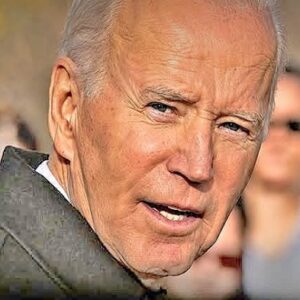
Rumors spread rapidly across social media and fringe websites claiming the U.S. Department of Justice was preparing to indict and arrest former President Barack Obama on charges including treason, espionage, and seditious conspiracy. These claims relied entirely on unnamed sources and sensational headlines, offering no documents, confirmations, or verifiable evidence. Despite their dramatic framing, the allegations collapse under basic scrutiny.
If such charges were real, they would be unprecedented in U.S. history and impossible to conceal. An indictment of a former president would involve court filings, official DOJ announcements, public dockets, and statements from legal representatives. None exist. There are no records, no confirmations, and no on-the-record reporting from credible outlets. Silence from every authoritative institution is not suggestive—it is dispositive.
The rumors follow a familiar misinformation pattern: outrage-driven headlines, vague claims of insider knowledge, and avoidance of specifics that would allow verification. By omitting dates, jurisdictions, or documents, the narrative creates urgency while remaining unfalsifiable.
Charges like treason or espionage carry extremely high legal thresholds defined by the Constitution and federal law. They are not pursued quietly or speculatively. Suggestions of Secret Service coordination further strain credibility, as such actions would be governed by strict legal protocols and public oversight.
This episode highlights the need for media literacy. Extraordinary claims demand documented evidence, named sources, and independent confirmation. Without them, the story is not breaking news—it is unsubstantiated speculation.