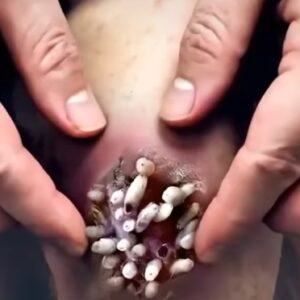
It starts as a dark bubble under your skin. You tell yourself it’s “just a blister.” But within hours, the pain sharpens, the color deepens, and a quiet fear creeps in: is this normal… or something far worse? Most blood blisters fade in days. Some don’t. Some spread, harden, or si…
A large blood blister on the hand can look shocking, but in many cases it’s the body’s way of cushioning damaged tissue after a sudden pinch, crush, or friction injury. The dome of trapped blood forms when tiny vessels rupture under intact skin, creating that red, purple, or nearly black pocket that throbs when you move or touch it. Left alone, most slowly flatten and fade within a week as the blood is reabsorbed, leaving only mild tenderness or discoloration behind.
Trouble begins when instinct takes over and you puncture it with a needle, peel the roof, or keep aggravating the area. That’s when bacteria can slip in, turning a simple blister into a painful infection. Watch for spreading redness, warmth, pus, or escalating pain—signs you need medical care. Until then, protect it, keep it clean and dry, and let your body quietly finish the repair.